
Athletes
Performance starts on the inside.
The short answer
Low iron in athletes shows up as pace or power that costs more effort than it used to, a heart rate that runs high in easy sessions, breathlessness arriving early, and recovery that stops working. It looks like overtraining — but a deload fixes training fatigue, and it doesn't fix low iron. Ask for a complete blood count plus ferritin.
Anemia and iron deficiency can be particularly important considerations for athletes because the symptoms — fatigue, reduced exercise tolerance, weakness, shortness of breath — look exactly like the price of a hard training block. That's the trap. Anemia is not responsible for every performance decline, and plenty of dips have nothing to do with your blood. But persistent, unexplained change is information, not weakness.
Performance warning signs
How it usually goes.
Before
"I was training."
Then
"My legs felt heavy."
Then
"My recovery changed."
Then
"My performance dropped."
Finally
"I got checked."
Don't just train through it.
Check yourself.
Athletes should discuss persistent or concerning symptoms with qualified healthcare professionals. Nothing here diagnoses anemia or recommends supplementation.
When performance changes
The arc of every story we hear.
The editorial series structure behind the athlete stories in this campaign.
Training
What was normal? The block, the mileage, the lifts, the recovery you could count on.
The change
Something shifts. Same session, more cost. Sleep stops paying you back.
The warning signs
Heavy legs. Breathing that arrives early. A heart rate that won't settle.
The decision
The moment it stops being 'a rough block' and becomes worth an appointment.
The answer
Testing gives a name to something. Sometimes it's anemia. Sometimes it's not.
The comeback
Treating the actual cause — and knowing what to watch for next time.
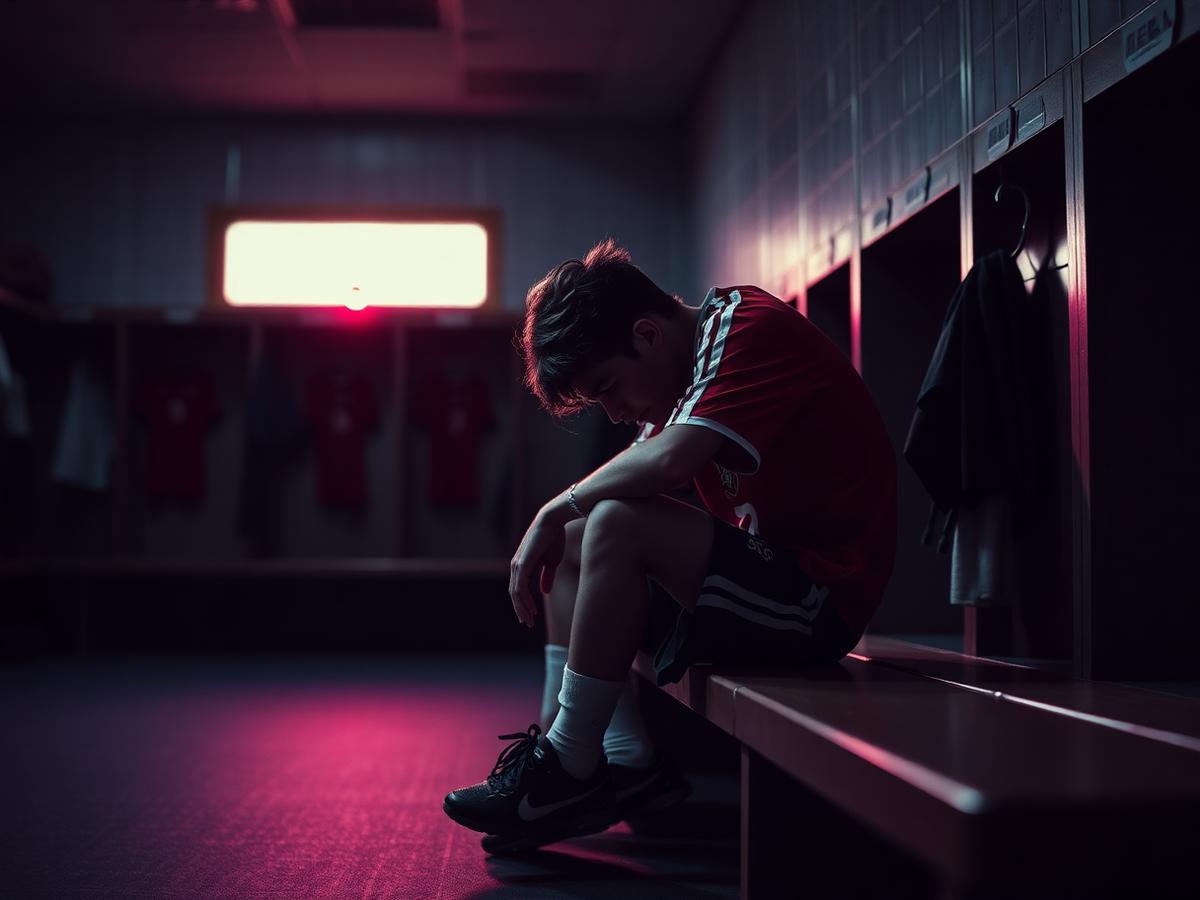
Young athletes
Young athletes need to know this.
Middle school, high school and college athletes are the most likely to be told to push through — and the least likely to name what's changed.
What parents should watch for
Patterns over weeks: energy that doesn't recover, new paleness, dizziness, a drop in output that doesn't match the training. Notice it, don't diagnose it, and ask a healthcare professional.
What coaches should notice
Changed recovery, changed breathing, changed effort at familiar loads. Raise it early and privately, and encourage evaluation instead of "more conditioning."
Sources
Medical content reviewed: August 2026 · Educational information only.
CheckYourself.
Know the signs. Know your body.
Don't ignore persistent changes.
Get checked when something doesn't feel right.