
Anemia can be hiding in plain sight
CheckYourself.Know the signs of anemia
You know your body.
You know when something feels different.
Don't ignore the signs.
The big idea
What if "just tired" isn't just tired?
Anemia happens when your blood doesn't have enough healthy red blood cells or enough hemoglobin to carry oxygen effectively to your body's tissues. Some of its signs are the easiest things in the world to explain away.
Sometimes the biggest warning signs are the ones we explain away.
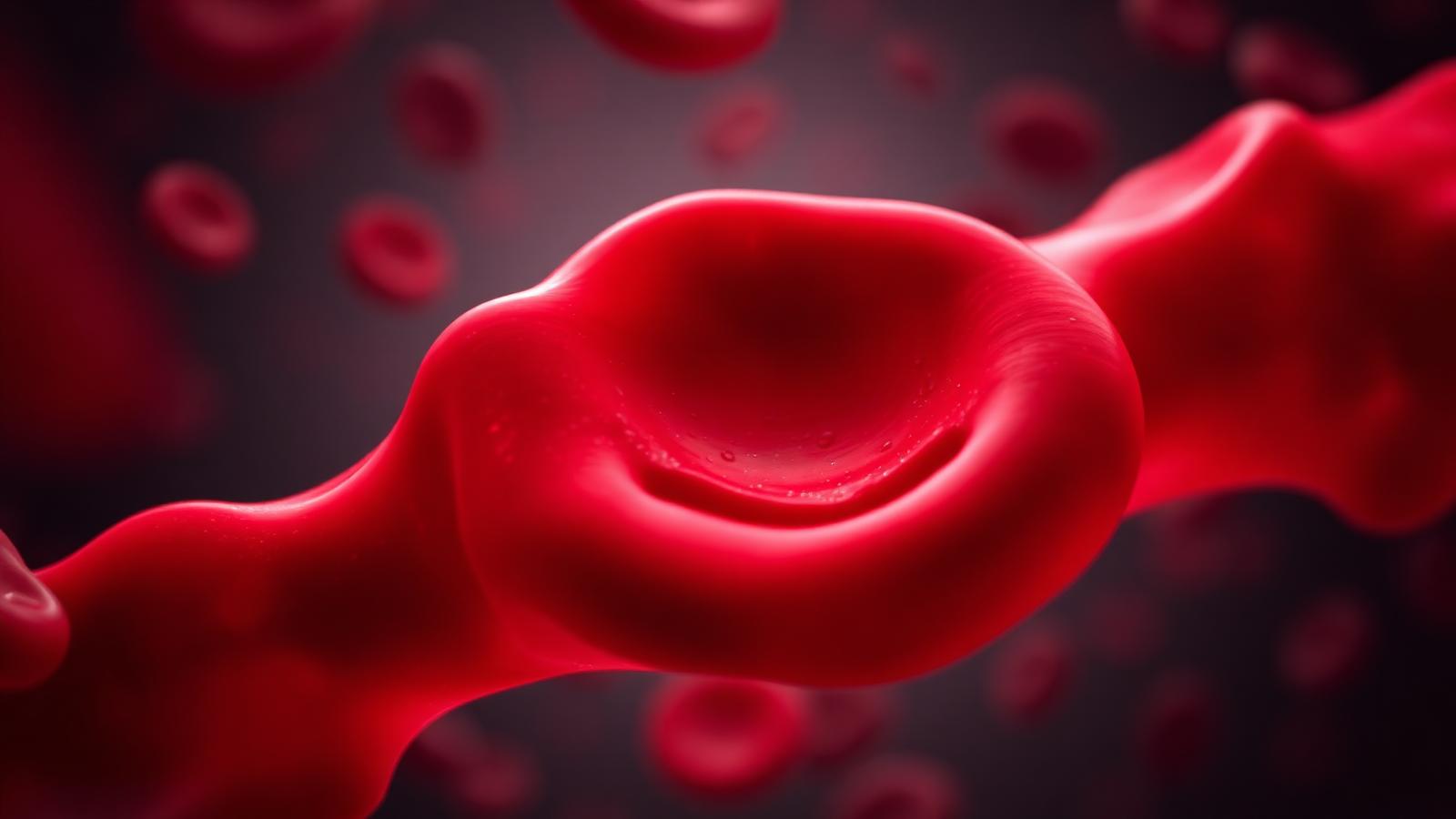
Anemia is not one thing
+ − Iron-deficiency anemia
The most common type worldwide. The body doesn't have enough iron to make hemoglobin, often due to low intake, poor absorption or blood loss.
+ − Vitamin B12 deficiency
Without enough B12, the body can't produce healthy red blood cells. Causes include diet, absorption problems and certain conditions.
+ − Folate deficiency
Folate is also needed to build red blood cells. Low levels can come from diet, pregnancy demands, alcohol use or absorption issues.
+ − Blood loss
Heavy menstrual bleeding, gastrointestinal bleeding, injury or surgery can deplete red blood cells and iron stores over time.
+ − Chronic disease or inflammation
Long-term conditions such as kidney disease, inflammatory disorders and some cancers can interfere with red blood cell production.
+ − Inherited conditions
Sickle cell disease, thalassemia and other inherited conditions affect the shape, function or lifespan of red blood cells.
+ − Other medical causes
Bone marrow disorders, some medications and conditions that destroy red blood cells too quickly can also cause anemia.
Know the signs
Know the signs.
Your body may be trying to tell you something.
Unusual tiredness
What it can feel like
Not ordinary end-of-day tired. A heaviness that sleep doesn't seem to fix.
Why it matters
Fatigue is one of the most commonly reported symptoms of anemia, because tissues may be getting less oxygen-rich blood.
These symptoms can have many causes. They do not mean you have anemia. If symptoms persist or concern you, talk with a healthcare professional.
Is this normal?
You've probably said one of these.
Every one of these sentences gets said out loud every day — and then dropped.
"I'm exhausted after practice."
Could it be anemia?
Possibly — but there are many possible explanations. Don't diagnose yourself. Talk to a healthcare professional if you're concerned.
"I'm sleeping but still tired."
Could it be anemia?
Possibly — but there are many possible explanations. Don't diagnose yourself. Talk to a healthcare professional if you're concerned.
"I can't seem to catch my breath like I used to."
Could it be anemia?
Possibly — but there are many possible explanations. Don't diagnose yourself. Talk to a healthcare professional if you're concerned.
"My performance has dropped."
Could it be anemia?
Possibly — but there are many possible explanations. Don't diagnose yourself. Talk to a healthcare professional if you're concerned.
"I get dizzy sometimes."
Could it be anemia?
Possibly — but there are many possible explanations. Don't diagnose yourself. Talk to a healthcare professional if you're concerned.
"I feel cold all the time."
Could it be anemia?
Possibly — but there are many possible explanations. Don't diagnose yourself. Talk to a healthcare professional if you're concerned.
"I can't concentrate like I normally do."
Could it be anemia?
Possibly — but there are many possible explanations. Don't diagnose yourself. Talk to a healthcare professional if you're concerned.
"My workouts feel harder than they should."
Could it be anemia?
Possibly — but there are many possible explanations. Don't diagnose yourself. Talk to a healthcare professional if you're concerned.
"I thought I was just out of shape."
Could it be anemia?
Possibly — but there are many possible explanations. Don't diagnose yourself. Talk to a healthcare professional if you're concerned.
Could this be you?
Five questions. No diagnosis.
This is a reflection tool, not a test. Nothing is stored or sent anywhere.
01Have you noticed a persistent change in your energy?
02Do normal activities feel harder than they used to?
03Have you experienced unusual dizziness or shortness of breath?
04Has your athletic performance changed unexpectedly?
05Have you experienced unusual blood loss or heavy periods?
Answer all five to see what to do next. Nothing you enter is stored or sent anywhere.
Athletes
Performance starts on the inside.
You can train harder. You can recover smarter. But you can't out-train what's happening inside your body.
Anemia and iron deficiency can be particularly important considerations for athletes, because fatigue, reduced exercise tolerance, weakness and shortness of breath overlap almost perfectly with the demands of intense training. That overlap is exactly why it gets missed. Anemia is not behind every performance decline — but persistent, unusual change deserves a real answer.
Before
"I was training."
Then
"My legs felt heavy."
Then
"My recovery changed."
Then
"My performance dropped."
Finally
"I got checked."
Don't just train through it.
Check yourself.
Persistent or concerning symptoms should be discussed with a qualified healthcare professional. This campaign does not diagnose, and no content here replaces medical advice.

Middle school · High school · College
Young athletes need to know this.
Unexplained fatigue. Declining performance. Struggling to recover. Dizziness. Shortness of breath that's new. Feeling different from normal.
What parents should watch for
Persistent changes, not single bad days: energy that doesn't bounce back, new paleness, dizziness, or a teen who suddenly can't keep up with what used to be routine. You are not diagnosing anything — you're noticing a pattern and asking a professional about it.
What coaches should notice
An athlete whose recovery, output or breathing has changed over weeks rather than days. Say something early, without labeling it. Encourage evaluation instead of pushing through.
Women + menstrual health
Blood loss matters.
Blood loss can contribute to anemia, and heavy menstrual bleeding can increase the risk of iron-deficiency anemia.
If your period is heavy, don't just "deal with it."
Heavy menstrual bleeding is not something anyone should simply be expected to tolerate. If bleeding is unusually heavy for you, lasts longer than usual, or is affecting your daily life, that's worth a conversation with a healthcare professional.
Why it connects
Iron leaves the body with blood. Over months and years, ongoing loss can outpace what you take in and absorb — which is one route to iron-deficiency anemia. A checklist can't tell you whether that's happening. Testing and a clinician can help.
Everyday people
This isn't just an athlete thing.
Parents. Teachers. Students. Nurses. Construction workers. Office workers. Grandparents. Teenagers.
Sometimes the person who looks completely fine is the person struggling the most.
Fatigue doesn't stay in one part of a life. It shows up in work, school, family, exercise, concentration, mood, relationships and confidence — and it usually gets blamed on everything except a cause worth checking.

Real people. Real stories.
This campaign runs on real voices.
We don't invent testimonials. Every story published here comes from a real person who chose to share it, and nothing appears until it has been reviewed and approved.
Myth vs fact
Tap to flip.
Six things people get wrong about anemia.
Action center
So what should you do?
01
Pay attention
Notice persistent or unusual changes in how you feel.
02
Don't self-diagnose
Symptoms can have many causes.
03
Talk to a professional
Bring your symptoms, history, diet, training load, menstrual history where relevant, and other concerns to a healthcare professional.
04
Get appropriate testing
Anemia is commonly evaluated using blood tests such as a complete blood count (CBC), along with additional testing when appropriate.
05
Find the cause
Anemia is not one single disease. Treatment depends on the underlying cause.
06
Follow through
Work with your healthcare professional on treatment and follow-up.
What getting checked can look like
Six steps. No mystery.
Talk
Discuss symptoms and health history.
Exam
A healthcare professional may perform an examination.
Blood tests
A CBC and other tests may be used to evaluate anemia and help identify its cause.
Understand
Determine what is causing the anemia.
Treat
Treatment depends on the type and cause.
Follow up
Monitor recovery with your healthcare team.
This site does not prescribe treatment. Iron supplementation is appropriate for iron deficiency and should be discussed with a healthcare professional — taking unnecessary iron can be harmful.
Start the conversation
Say it out loud.
Copy a line. Use it in an appointment, a text to a parent, or a talk with an athlete.
For athletes
"I've noticed my energy and performance have changed. I want to talk to someone about it."
For parents
"My child has been unusually tired lately and I'd like to discuss whether we should have them evaluated."
For coaches
"I've noticed a change in this athlete's energy or performance. I'd like to make sure they're okay."
For your doctor
"Here are the symptoms I've been experiencing and when they started."
CheckYourself.
Know the signs. Know your body.
Don't ignore persistent changes.
Get checked when something doesn't feel right.